

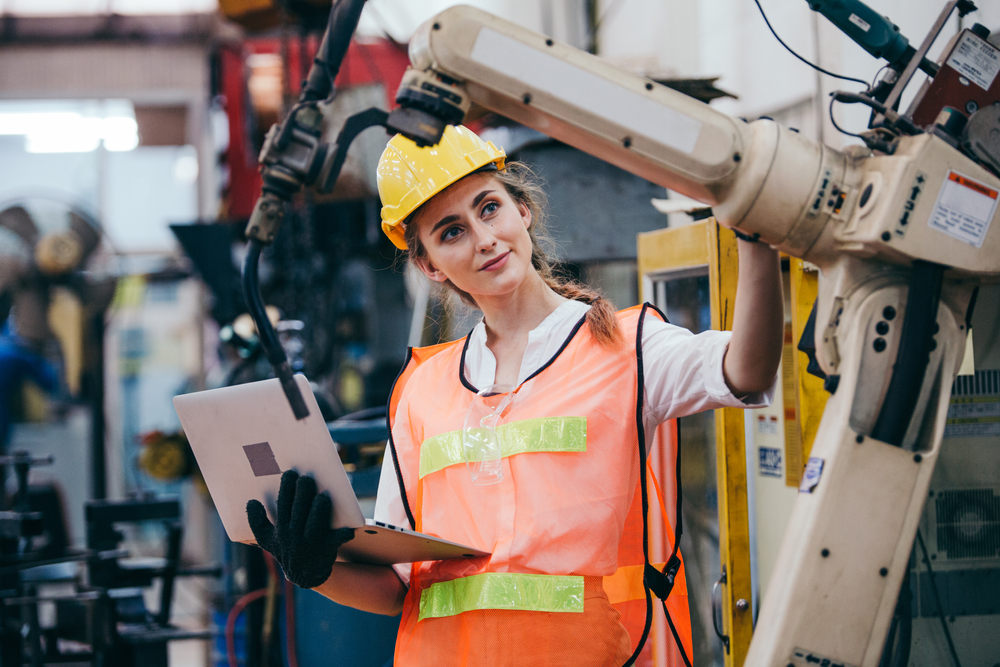
As artificial intelligence continues to reshape the modern workplace, Environmental, Health, and Safety (EHS) teams are finding themselves at the centre of a critical balancing act. On one hand, AI offers automation, speed, and precision that can enhance safety outcomes. On the other, EHS managers must ensure human oversight, ethical responsibility, and regulatory compliance remain firmly in place.
This balance is not a contradiction—it’s a collaboration. Forward-thinking safety leaders are finding ways to integrate automation without compromising accountability. As highlighted in insights into AI’s impact on EHS leadership, success lies in aligning machine efficiency with human judgment.
The Push Toward Automated Safety Monitoring
Manufacturers, logistics providers, and industrial facilities are increasingly turning to AI-powered solutions to improve workplace safety. From real-time video analytics that detect PPE violations to machine learning models that forecast risk, automation is enabling faster interventions and richer insights.
The appeal is obvious—AI can:
- Continuously scan worksites 24/7
- Alert teams to unsafe actions or environmental hazards
- Document safety events with supporting visuals
- Generate reports to meet regulatory requirements
In high-pressure environments where attention spans can slip and routine tasks dull human alertness, automation provides a much-needed safety net.
Why Human Oversight Still Matters
Despite its promise, AI is not infallible. It operates based on algorithms, data inputs, and training models. It lacks the ability to understand context, intention, or nuance. That’s where EHS professionals come in.
Safety leaders must interpret AI data and make informed decisions. A detected hazard might not warrant the same response every time—it may depend on location, time of day, or specific workflows. Additionally, false positives or missed detections are possible, especially in complex workspaces.
Therefore, AI should be seen as a support tool, not a decision-maker. The human layer of analysis, empathy, and situational awareness remains essential to any safety strategy.
Blending Technology with Practical Experience
AI can flag a worker repeatedly entering a restricted zone, but only a trained EHS manager can determine whether it was due to confusion, training gaps, or a genuine breach. This collaboration between tech and human judgment allows companies to act meaningfully, rather than relying solely on surface-level metrics.
For example, if a machine detects that employees consistently walk outside designated pathways, an EHS leader may discover that the current layout is inefficient, prompting a reconfiguration to improve both safety and productivity. These are decisions AI alone cannot make.
Improving Efficiency Without Sacrificing Trust
There’s often hesitation around introducing AI into safety monitoring due to concerns about surveillance. Workers may feel like they’re being watched rather than protected. This is where EHS leaders play a crucial role in framing the conversation.
By positioning AI tools as allies that prevent injuries—not punish mistakes—teams can help foster a sense of shared purpose. It’s essential that workers understand how data is used, how privacy is protected, and what tangible benefits automation brings to their daily routines.
Transparency in how AI tools are deployed, how alerts are escalated, and how trends are interpreted builds a stronger safety culture rooted in collaboration, not control.
Elevating the Strategic Role of EHS Leaders
Traditionally, much of an EHS manager’s time has been spent on documentation, incident review, and manual inspections. AI automation can absorb these repetitive tasks, freeing professionals to focus on more impactful work.
This includes:
- Trend analysis and predictive risk modelling
- Developing long-term safety strategies
- Cross-departmental safety planning
- Training and development based on real-world data
In this new model, EHS managers are not just compliance enforcers—they become strategic advisors, shaping how their organisations manage risk and respond to change.
AI as a Tool for Early Intervention
One of the most compelling benefits of AI in workplace safety is its ability to detect subtle warning signs before they evolve into full-blown incidents. By analysing historical data and current behaviour patterns, AI systems can flag recurring risks—such as frequent near-misses or rising non-compliance in specific areas.
This empowers EHS professionals to act earlier and more precisely. Rather than issuing blanket policies or reacting to events, they can target the root causes. This shift toward prevention—not just reaction—represents a major evolution in EHS leadership and sets the stage for a more resilient workforce.
Ensuring Ethical and Responsible Use
While the technology is powerful, its use must be guided by clear principles. EHS leaders have a duty to ensure AI is used ethically—respecting worker rights, maintaining data privacy, and promoting fairness in how violations are flagged or enforced.
This includes:
- Reviewing how data is stored and who has access to it
- Avoiding punitive measures based solely on AI-generated alerts
- Providing avenues for worker feedback and dispute resolution
- Evaluating biases in algorithms or data sources
With thoughtful governance, AI becomes not just a compliance tool but a reflection of an organisation’s commitment to safety and transparency.
The Future of Safety Leadership
In the coming years, the most effective EHS leaders will be those who can bridge the gap between technology and people. They will need to understand AI systems—not necessarily how to build them, but how to interpret outputs, ask the right questions, and implement changes based on what the data reveals.
Leadership in this space requires soft skills as much as technical acumen: communication, empathy, cross-functional collaboration, and change management. As automation increases, the human side of safety becomes even more valuable.
Final Thoughts
Automation is here to stay in workplace safety, but it is not a replacement for human judgment. It’s a catalyst for improvement—one that allows EHS professionals to focus on what matters most: protecting people, fostering safety culture, and building smarter systems.
By embracing the right balance between automation and oversight, organisations can unlock safer, more efficient, and more accountable workplaces. And in doing so, they prepare their teams for a future where technology and leadership go hand in hand.
The path forward is not about choosing between AI or EHS—it’s about integrating both to create workplaces that are not only more compliant, but truly safer by design.
