

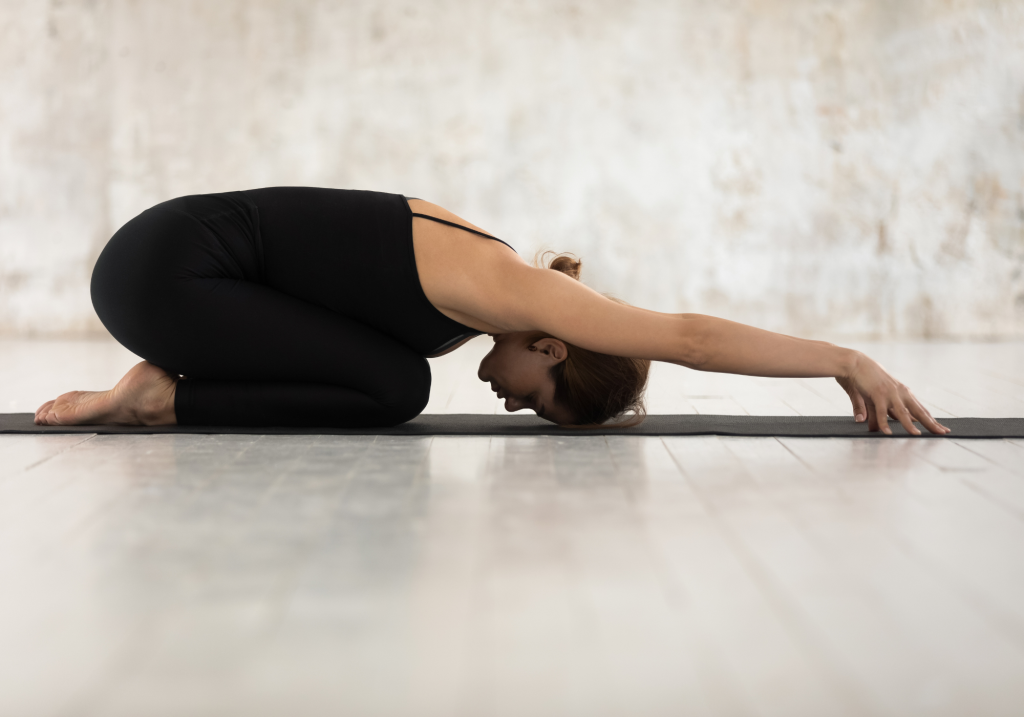
Workplace fatigue is not always solved by more coffee, longer breaks, or better productivity apps. Sometimes the body needs movement, the breath needs attention, and the nervous system needs a real reset. This is why yoga classes are becoming relevant for professionals and businesses looking for practical ways to support focus, energy, and workplace wellbeing.
Modern work requires constant mental output. Employees respond to messages, attend meetings, manage deadlines, and sit for long hours. Even when the work is not physically demanding, the body can become tense and tired. Yoga helps by addressing both physical strain and mental overload.
Why Workplace Fatigue Happens
Fatigue is not only about lack of sleep. It can come from long sitting, poor posture, shallow breathing, stress, eye strain, and lack of movement. When these factors combine, employees may feel drained even before the day ends.
Desk-based work creates repeated physical patterns. The hips stay bent. The spine rounds. The shoulders lift. The neck leans toward screens. Breathing becomes shallow during concentration.
This physical state can affect mental performance. A tense body can make focus harder. Poor breathing can increase restlessness. Stiffness can become distracting.
Yoga as a Midweek Reset
Regular yoga classes can act as a reset point during the workweek. They help employees move the body in ways that office work does not. A class may include spinal movement, hip opening, shoulder mobility, balance, breathwork, and relaxation.
This combination can help reduce the physical heaviness that builds during the week. Employees may return to work feeling more aware of their posture and less trapped in desk-related tension.
The value is not only in the class itself. The awareness learned during yoga can carry into the office.
Breathwork and Focus
Focus depends partly on how the nervous system is functioning. When employees are stressed, breathing often becomes shallow or irregular. This can make the mind feel scattered.
Yoga teaches students to connect breath with movement. This creates a habit of returning attention to the present moment. Professionals can use this skill during high-pressure situations, such as presentations, client calls, or difficult decisions.
A person who can breathe steadily under mild physical challenge may also become better at staying composed under work pressure.
Reducing Physical Discomfort From Desk Work
Desk discomfort is one of the most common workplace problems. Neck tension, back stiffness, tight hips, and shoulder fatigue are frequent complaints among office workers.
Yoga can help by improving mobility and strength. It does not simply stretch tight areas. It also builds control through poses that engage the core, legs, back, and shoulders.
This can improve how employees sit, stand, and move throughout the day.
Why Regular Classes Matter More Than One-Off Events
Many companies organize occasional wellness sessions. These can be helpful, but the benefits are limited if they happen only once. Workplace fatigue builds daily, so recovery should also be regular.
Regular classes create continuity. Employees learn techniques, repeat movements, and build confidence over time. The body begins to respond more easily because the practice becomes familiar.
For individuals, weekly classes can become a reliable part of stress management. For companies, encouraging regular movement can support a healthier workplace culture.
Yoga and Mental Recovery After Work
Many professionals finish work but remain mentally active. They continue thinking about tasks, checking messages, or replaying conversations. This makes it difficult to truly rest.
An evening yoga class can help create a boundary between work and personal life. The body moves, the breath slows, and attention shifts away from screens.
This transition can improve the quality of the evening, which may support better sleep and better focus the next day.
Making Yoga Accessible for Employees
For workplace wellness, yoga should feel approachable. Not every employee will be flexible, athletic, or comfortable with fitness culture. Classes should be adaptable and non-intimidating.
Businesses can support yoga through wellness allowances, flexible schedules, nearby studio partnerships, or group classes. The most important factor is practicality. Employees are more likely to participate when the option fits their schedule and comfort level.
The Business Case for Better Recovery
Fatigue affects performance. Employees who feel physically tense and mentally drained may struggle with focus, patience, and creativity. Supporting recovery is not a luxury. It is part of sustainable work.
Yoga can contribute to this by offering a structured method for movement and stress regulation. It does not replace good management, fair workload, or healthy company culture, but it can support employees within that larger system.
A Smarter Way to Approach Professional Wellness
Professionals do not always need harder workouts. Many need better recovery, improved posture, and a way to calm the nervous system. Yoga classes can provide that structure.
For individuals and businesses in Singapore considering practical wellness options, Yoga Edition can support routines that help professionals move better, breathe better, and manage workplace fatigue more effectively.
FAQs
Can yoga improve focus at work?
Yoga may support focus by improving breath awareness, reducing tension, and helping the nervous system settle.
Is yoga useful for office workers?
Yes. Yoga can help address stiffness, posture issues, stress, and fatigue linked to long sitting and screen use.
Should companies offer yoga classes?
Yoga can be a useful part of workplace wellness, especially when classes are accessible, inclusive, and consistent.
