

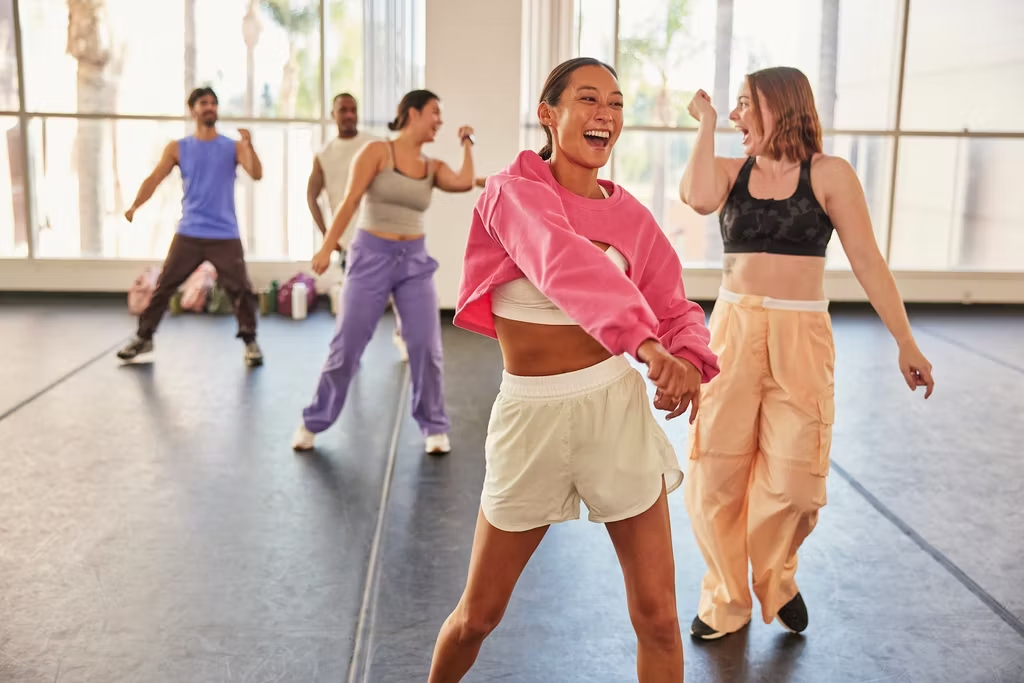
Workplace wellness works best when it feels practical and inviting. Employees are often tired of formal health talks, generic wellness emails, and benefits that sound good but are rarely used. Movement-based activities can be more engaging because they give employees a direct break from sitting, screens, and work pressure. Dance fitness is one option that brings energy, music, and participation into the workplace wellness conversation.
For companies exploring zumba classes singapore, dance fitness can offer a lively alternative to traditional corporate wellness activities. It is group-based, easy to understand, and less intimidating than many performance-focused workouts. When planned well, it can support morale, movement, stress relief, and team connection.
Why Workplace Wellness Needs Enjoyment
Employees are more likely to join wellness activities that feel enjoyable. A program built only around obligation often has low participation. Dance fitness can work because it feels social and upbeat rather than clinical.
Music changes the mood of the room. Movement breaks the routine of sitting. The class format gives employees a shared activity that does not feel like another meeting.
Enjoyment matters because participation is the first step.
Dance Fitness Helps Break Desk Fatigue
Office work keeps people still for long periods. Even employees who are mentally productive may feel physically stiff or tired. Dance fitness gets the body moving in different directions. It encourages steps, arm movement, rhythm, and coordination.
This can help employees feel more awake after long desk hours.
A short class can act as a reset during wellness events, lunch breaks, or after-work sessions.
It Feels More Accessible Than Some Workouts
Not every employee wants to lift weights, run, or attend a high-intensity bootcamp. Dance fitness can feel more approachable because it focuses on movement and music. Participants can adjust effort based on comfort.
A good instructor can offer low-impact options and remind employees that the goal is participation, not perfect dancing.
This makes the session more inclusive.
Group Movement Builds Team Energy
Dance fitness can create a shared experience. Employees move together, laugh at missed steps, follow the instructor, and complete the class as a group. This can build light connection outside normal work roles.
It is different from a meeting or formal team-building activity because the body is involved. The energy feels more relaxed.
For teams that spend most of the day in structured work settings, this can be refreshing.
Stress Relief Is a Strong Benefit
Work stress often builds in the body. Shoulders become tense, breathing becomes shallow, and energy drops. Dance fitness gives employees a physical outlet. Music and movement can help shift mood and reduce the feeling of mental heaviness.
This does not solve workplace stress by itself. Companies still need healthy workloads and good management. But movement can support stress management as part of a wider wellness approach.
It Can Fit Different Corporate Settings
Dance fitness can work in several formats. Companies may organize sessions during wellness days, lunch breaks, team events, or after-work programs. They may also include dance classes as part of broader fitness benefits.
The format should match employee schedules. A class that is too long or poorly timed may not attract participation.
Convenience matters in workplace wellness.
Avoid Making It About Weight Loss
Corporate fitness messaging should be careful. Dance fitness should not be promoted as a way to fix bodies or pressure employees into weight loss. That type of messaging can feel uncomfortable and exclusionary.
Better messaging focuses on energy, movement, mood, team connection, and wellbeing.
Employees respond better when fitness is framed positively.
Leadership Support Helps Participation
When leaders participate casually, employees may feel more comfortable joining. A manager who takes part without making the session competitive can help normalize movement.
Leadership support also shows that wellness is not just an HR checkbox.
However, participation should remain optional. Employees should not feel forced into public exercise if they are uncomfortable.
Dance Fitness Can Support Hybrid Teams
Hybrid work can reduce social connection. A dance fitness session during office days or team gatherings can bring people together in a non-work context. It gives employees something shared to remember.
For remote-heavy teams, occasional in-person wellness sessions can help rebuild group energy.
The goal is connection, not performance.
Choosing the Right Instructor Matters
The instructor can make or break the experience. Corporate dance fitness should be welcoming, clear, and adaptable. The instructor should avoid overly complex choreography and provide options for different levels.
The session should make employees feel included, not embarrassed.
A strong instructor keeps the energy positive.
Practical Planning Matters
Companies should plan logistics carefully. Employees may need space, ventilation, water, changing areas, and enough time before returning to work. If the session is after work, timing should respect personal commitments.
A wellness activity should not create extra stress.
The smoother the experience, the more likely employees will join again.
Measuring Employee Interest
Companies should collect feedback after sessions. Did employees enjoy it? Was the timing suitable? Was the class too intense or too easy? Would they attend again?
This feedback helps refine the program.
Wellness should be shaped around actual employee needs.
Dance Fitness as Part of a Broader Wellness Strategy
Dance fitness is not a complete wellness program by itself. It works best alongside other supports, such as mental wellbeing resources, ergonomic awareness, flexible policies, and realistic workloads.
But as a movement-based activity, it can bring life into the wellness calendar.
For companies comparing group fitness options, True Fitness Singapore may be relevant when considering dance fitness, class variety, and indoor wellness options for employee engagement.
FAQ
Why do employers offer dance fitness classes?
They can support movement, morale, stress relief, and team energy in an enjoyable group format.
Is dance fitness suitable for all employees?
It can be suitable for many employees when low-impact options and clear instruction are provided. Participation should remain optional.
Should workplace dance fitness focus on weight loss?
No. It is better to focus on energy, movement, mood, and wellbeing rather than appearance.
When is the best time for corporate dance fitness?
Lunch breaks, wellness days, or after-work sessions can work, depending on employee schedules and facilities.
