

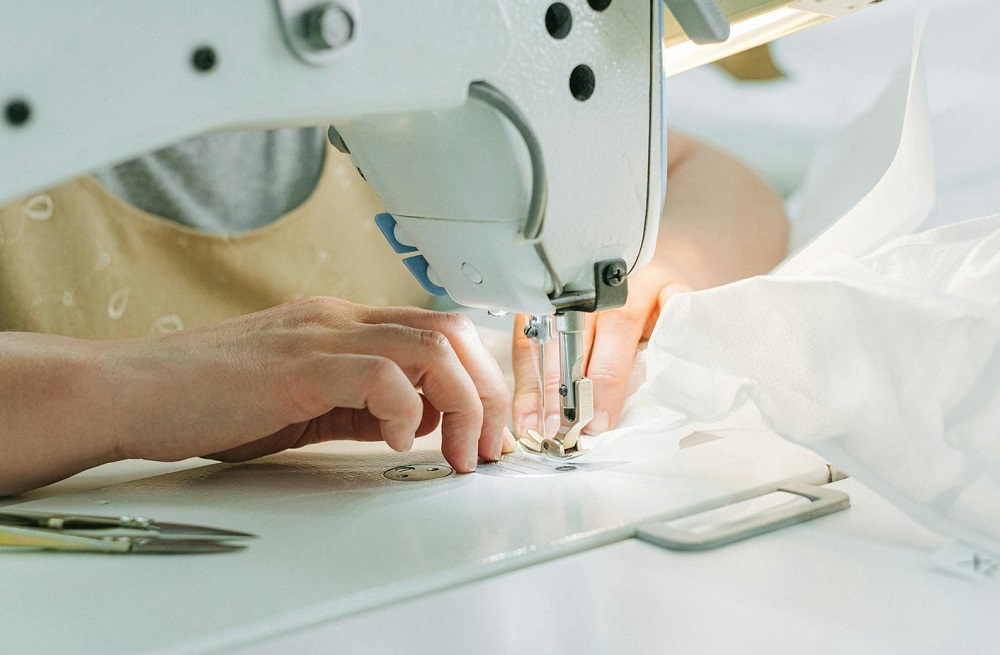
Industrial sewing machines are built for durability, speed, and precision. In factories, upholstery shops, and heavy textile environments, these machines often run for many hours every day. While their robust construction allows them to handle demanding workloads, constant use inevitably causes certain components to wear out over time.
Understanding which parts of a sewing machine commonly wear out—and knowing when to replace them—helps maintain consistent stitch quality, minimize downtime, and extend the life of the machine. Regular maintenance can prevent many faults, but some sewing machine replacement parts are designed to be consumable and must be renewed periodically to ensure optimal performance.
Below is a detailed look at the most common sewing machine components that wear out in heavy-duty and industrial environments.
Sewing Machine Needles
The needle is the most frequently replaced component on any sewing machine. Even though it is small, it plays a critical role in stitch formation and fabric handling.
Industrial machines operating at high speeds cause needles to gradually dull, bend, or develop microscopic burrs. When this happens, the machine may begin skipping stitches, damaging fabric, or breaking thread.
Common signs a needle needs replacing include:
- Skipped stitches
- Thread fraying or breaking
- Visible bending or dullness
- Popping or knocking sounds during sewing
- Fabric snagging or tearing
Because needles wear quickly, they should be replaced regularly—often at the start of a new project, after several hours of heavy use, or whenever stitch quality declines. Using the correct needle type and size for the material being sewn also significantly reduces stress on the machine and improves results.
Bobbins and Bobbin Cases
The bobbin system forms the lower part of the stitch and is essential for maintaining balanced tension.
Over time, bobbins and bobbin cases can wear due to friction with thread and repeated contact with the hook assembly. Industrial machines that run continuously may experience wear in these parts more quickly than domestic machines.
Typical issues include:
- Uneven thread tension
- Inconsistent stitching
- Thread tangling underneath the fabric
- Scratches or grooves forming in the bobbin case
When bobbins become warped or damaged, they can spin unevenly, disrupting thread delivery. Likewise, a worn bobbin case may fail to maintain proper tension. Replacing these inexpensive parts can often restore smooth operation immediately.
Hook Assembly and Rotary Hook
The hook assembly is responsible for catching the upper thread and forming the stitch with the bobbin thread. In many industrial machines, this component operates at extremely high speeds.
Over time, the hook can develop:
- Surface wear
- Grooves from thread friction
- Burrs caused by needle strikes
- Alignment issues
A damaged hook assembly can cause skipped stitches, thread breakage, or excessive noise. If a needle strikes the hook due to incorrect timing or improper needle installation, it may leave burrs that interfere with smooth thread movement.
Regular inspection and lubrication help extend the life of the hook system, but eventually replacement may be necessary in heavily used machines.
Feed Dogs
Feed dogs are the toothed metal components that move fabric through the machine during stitching. They rise through the needle plate, grip the fabric, and pull it forward at a consistent rate.
In high-production environments, feed dogs gradually wear down due to friction with fabric and contact with presser feet. When they become worn, their ability to grip fabric decreases.
Common symptoms of worn feed dogs include:
- Fabric slipping or stalling
- Uneven stitch length
- Difficulty feeding heavy materials
- Layer shifting in multi-layer sewing
Replacing worn feed dogs restores proper fabric movement and improves stitch consistency.
Presser Feet
Presser feet hold the fabric securely against the feed dogs while the needle penetrates the material. In industrial sewing applications, different presser feet are often used for specific materials or stitch types.
Heavy use can cause presser feet to develop:
- Worn or rough surfaces
- Grooves from needle contact
- Loss of smooth glide over fabric
Damaged presser feet can mark delicate materials or fail to apply even pressure. Fortunately, they are relatively inexpensive and easy to replace.
Needle Plates (Throat Plates)
The needle plate sits beneath the needle and contains openings that allow the needle to pass through the fabric. Over time, repeated needle strikes can damage this surface.
Signs of wear include:
- Scratches or grooves
- Enlarged needle holes
- Burrs that snag thread or fabric
When the needle plate becomes damaged, stitch quality may suffer and delicate materials may catch or tear. Replacing the needle plate ensures smooth fabric flow and accurate needle positioning.
Drive Belts and Timing Belts
Industrial sewing machines rely on belts to transfer power from the motor to the machine’s internal mechanisms. These belts experience constant movement and tension, which eventually leads to wear.
Common problems with worn belts include:
- Slipping during operation
- Reduced sewing speed
- Unusual noises
- Sudden loss of power transmission
A cracked or stretched belt can significantly affect machine performance. Routine inspection allows technicians to replace belts before they fail and cause unexpected downtime.
Tension Discs and Springs
The tension assembly regulates thread tension as it passes through the machine. This system includes tension discs, springs, and guides that control how smoothly the thread feeds.
With heavy use, tension components can accumulate lint, develop wear, or lose spring tension. This may lead to:
- Inconsistent stitches
- Loose or tight thread loops
- Difficulty balancing upper and lower thread tension
Replacing worn tension springs or discs restores proper thread control and improves stitch appearance.
Motors and Carbon Brushes
Many industrial sewing machine motors contain carbon brushes that gradually wear down as electricity passes through them. While the motor itself is designed for long-term operation, these brushes act as consumable components.
When brushes wear excessively, the motor may experience:
- Reduced power
- Irregular operation
- Increased sparking
- Complete motor failure
Routine servicing allows technicians to replace worn brushes before they cause more serious motor issues.
Thread Guides and Take-Up Components
Thread guides, take-up levers, and thread paths experience constant friction as thread moves through them at high speeds. Over time, these components can develop rough edges or grooves.
Even minor damage can cause thread fraying or breakage. If a thread guide becomes worn or misaligned, replacing it can restore smooth thread flow and reduce thread waste.
The Role of Preventative Maintenance
While many sewing machine parts eventually require replacement, preventative maintenance can dramatically reduce the likelihood of unexpected failures.
Regular maintenance tasks include:
- Cleaning lint and debris from internal components
- Lubricating moving parts
- Checking needle condition
- Inspecting belts and hooks
- Ensuring proper thread tension
- Verifying timing and alignment
Routine servicing helps detect wear early and prevents small issues from developing into costly breakdowns.
However, even the best maintenance program cannot eliminate normal wear. Components like needles, bobbins, and belts are designed to be replaced periodically. Keeping spare parts on hand ensures minimal disruption when replacements are needed.
Maintaining Efficiency in Industrial Sewing
Industrial sewing machines are engineered to withstand intense workloads, but their performance ultimately depends on the condition of their components. Worn parts not only reduce stitch quality but can also place additional strain on other machine mechanisms.
By regularly inspecting and replacing key components—such as needles, hooks, feed dogs, and tension systems—operators can maintain consistent production quality and extend the life of their equipment.
In fast-paced manufacturing environments where efficiency and reliability are critical, proactive maintenance and timely part replacement remain essential practices for keeping industrial sewing machines operating at their best.
